Owning a Historic Home in Concord in 2026
- Jun 17
- 3 min read
A Heartwood Collective hyperlocal market note - Concord, Massachusetts
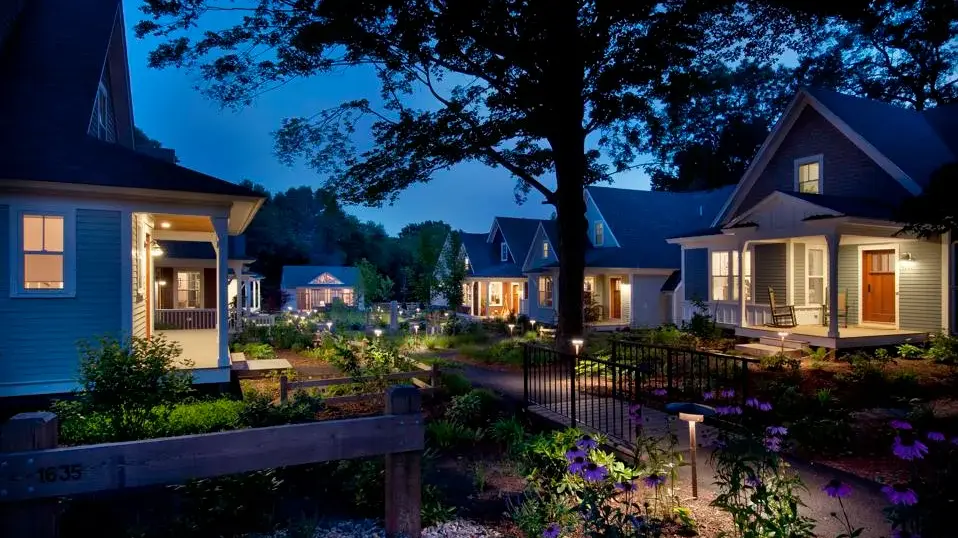
Last April, Concord marked 250 years since the fighting at the Old North Bridge, and for a few days the streets around Monument Square belonged to fife players and reenactors instead of commuters. The crowds have gone home. The houses they marched past are still here, still lived in, still changing hands. If you own one of them, or you're thinking about buying one, it's worth understanding what that history actually asks of you.
Six districts, one quiet set of rules
Concord has six local historic districts: the American Mile, Barrett Farm, Main Street, North Bridge / Monument Square, Church Street, and Hubbardville. They were established in 1960 by a special act of the state legislature and are overseen by the Historic Districts Commission, which meets about every third Wednesday at 141 Keyes Road.
If your home sits inside one of these districts, exterior changes that are visible from a public way generally need the Commission's sign-off before work begins. That covers more than you'd expect: replacement windows, siding, additions, fences, signs, and in many cases solar panels and paint. The Commission isn't deciding your kitchen layout. It's protecting what the street sees.
That can feel like red tape, and on a tight timeline it sometimes is. But it's also the reason these blocks look the way they do. The rules are what keep a 1740 colonial from waking up next to a builder-grade box. They're a big part of why a Concord address holds its weight.
What it means if you're buying
First, find out before you fall in love. Not every old house in Concord is in a local district, and the line matters. A listing agent should be able to tell you, but I always confirm it directly with the Planning Division rather than take it as given. Knowing the district status changes how you budget, because storm windows, a rear addition, or a new fence may run through a review process that adds weeks.
None of this should scare you off. Buyers who want a historic home usually want exactly what the rules preserve. The trick is going in with clear eyes: ask what's been approved, what's been altered without approval, and what you'd realistically want to change. A short call with the Commission staff before you write an offer is worth an afternoon.
What it means if you own or you're selling
If you already own in a district, keep your paperwork. Certificates of appropriateness, approved plans, and permit history are genuine selling points, because they tell the next buyer the house has been cared for the right way. When it comes time to list, that documentation removes friction and quiet doubt.
If you're weighing improvements before a sale, plan around the calendar. A project that needs review can't be rushed the week before photos. Start early, work with the guidelines rather than against them, and the result tends to both pass and photograph beautifully.
Concord's housing market remains tight and high, with the typical home value sitting around $1.34 million this spring. Historic character is a real part of that number, not a footnote.
If you own a piece of Concord's history, or you're ready to, I'd love to walk the streets and the fine print with you.
Historic district details from the Town of Concord (concordma.gov); market figures from Zillow, June 2026. Data shifts quickly; reach out for current numbers on a specific home or neighborhood.